








Introduction
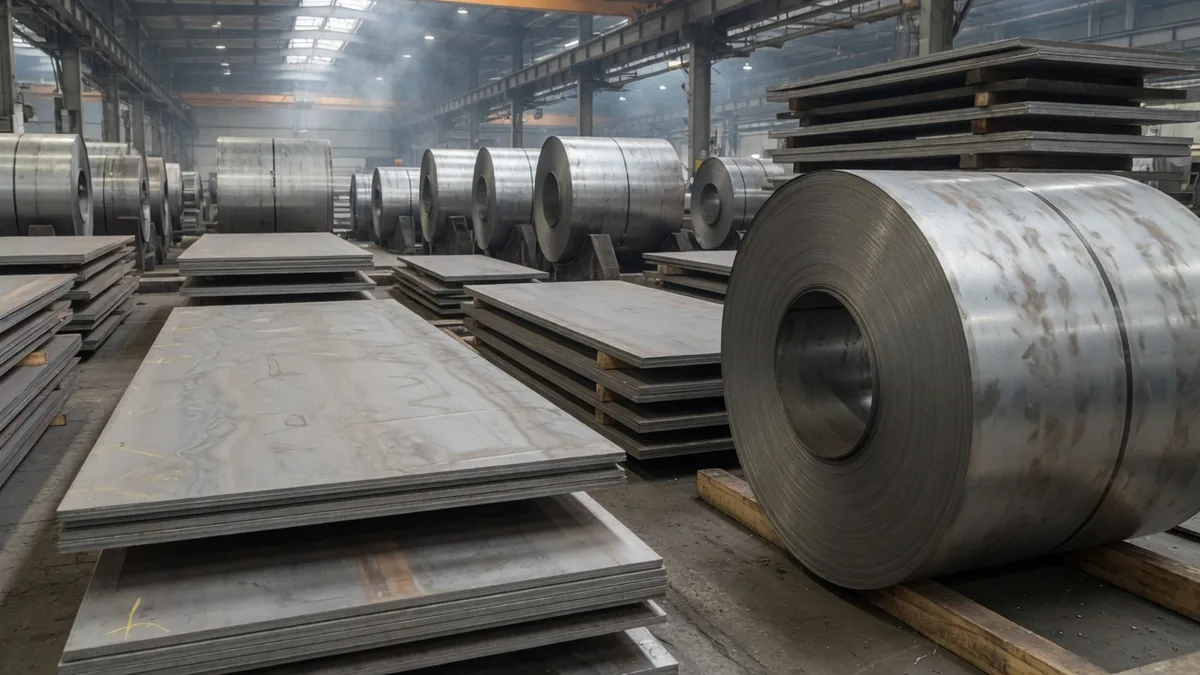
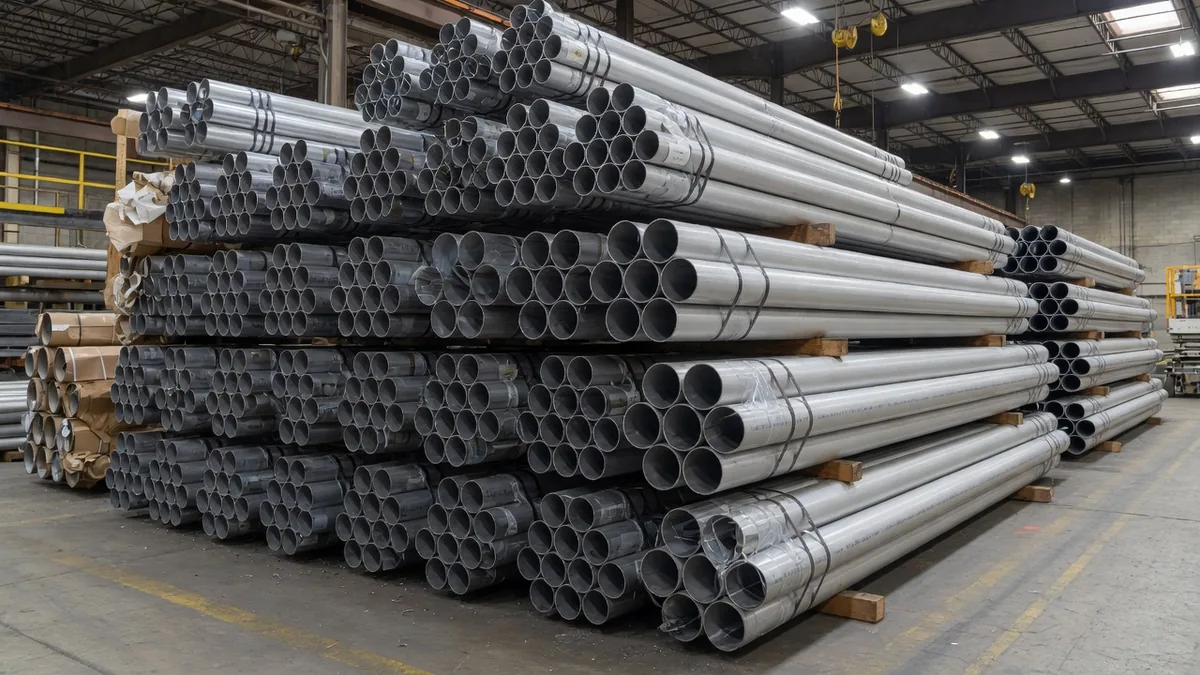
For steel importers, the mill test certificate is not just a document for the file. It is the buyer’s first traceability check before releasing steel plates, coils, pipes, bars, or fittings into fabrication or resale.
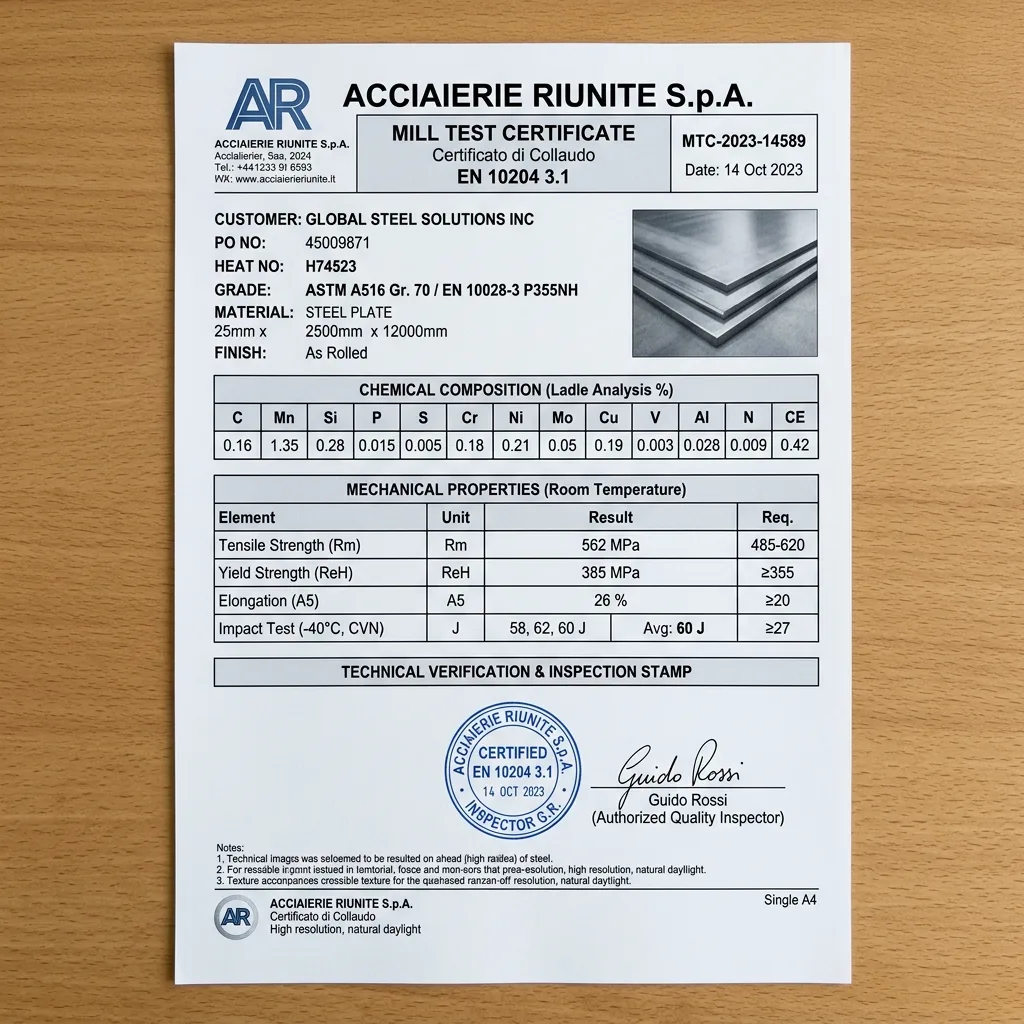
An EN 10204 3.1 certificate is commonly requested when buyers need heat-specific chemical and mechanical test results from the manufacturer. The practical question is not only whether the supplier can provide a certificate, but whether the MTC actually matches the purchase order, the delivered material, and the project specification.
What Does EN 10204 3.1 Confirm?
EN 10204 defines inspection document types for metallic products. A 3.1 certificate is issued by the manufacturer and validated by the manufacturer’s authorized inspection representative, who should be independent of the manufacturing department.
For a steel buyer, the key value of a 3.1 certificate is that it normally includes specific inspection results for the delivered heat or batch. These results may include chemical composition, tensile properties, yield strength, elongation, hardness, impact testing, hydrostatic testing, ultrasonic testing, or other checks when required by the applicable material standard and purchase order.
The certificate does not replace the purchase specification. It should be read against the order, product standard, grade, size tolerance, inspection plan, and any project-specific requirements.
EN 10204 3.1 vs 3.2: What Should Buyers Specify?
Many importers ask for “MTC 3.1 or 3.2” without defining why. That can create delays after production starts. The certificate type should be written into the RFQ, proforma invoice, purchase order, and inspection requirements before the mill begins production.
| Certificate Type | Who Validates It | Typical Buyer Use | Procurement Note |
|---|---|---|---|
| EN 10204 2.1 | Manufacturer | Low-risk declaration of compliance | No specific test results are normally included. |
| EN 10204 2.2 | Manufacturer | General products where non-specific test results are acceptable | Results are not necessarily from the supplied heat. |
| EN 10204 3.1 | Manufacturer’s authorized inspection representative independent of production | Common for export steel orders that need heat traceability | Good default for many steel import orders when specific test data is required. |
| EN 10204 3.2 | Manufacturer plus buyer inspector or officially designated body, as required by the order | Critical projects or client-mandated inspection | Must be arranged before production or testing because witnessing and signatures affect lead time. |
Pre-Shipment Certificate Checklist
Ask for a draft or scanned MTC before final payment or shipment release whenever the order value, project risk, or inspection requirement justifies it.
| Buyer Checkpoint | What To Confirm | Why It Matters |
|---|---|---|
| Certificate type | The document clearly states EN 10204 3.1 or the agreed certificate type. | A 2.2 report is not the same as a 3.1 certificate. |
| Purchase order match | PO number, product form, grade, size, quantity, and customer details match the order. | Mismatched paperwork can block inspection or project handover. |
| Heat number traceability | Heat or batch numbers match product marking, bundle tags, coil labels, or pipe stencils. | Without heat traceability, test results cannot be linked to the delivered steel. |
| Material standard and grade | The certificate references the required standard, grade, and condition of supply. | A grade name alone is not enough if the standard edition or delivery condition differs. |
| Chemical and mechanical results | Required chemistry and strength data are included as specified. | Missing values can make material non-compliant even when the shipment looks correct. |
| Signature and stamp | The certificate is validated by the manufacturer’s authorized inspection representative. | EN 10204 3.1 requires manufacturer-side validation independent of production. |
Red Flags That Should Put Material On Hold
Put material or shipment documents on hold when the heat number does not match the MTC, the certificate type is lower than the purchase order requirement, required tests are missing, or the certificate has unclear manual edits. If the issue concerns test results rather than formatting, ask whether re-testing or third-party inspection is required by the project specification.
What To Include In Your RFQ
The easiest way to avoid certificate disputes is to define MTC requirements before quotation. Include the required certificate type, product standard, grade, size range, tolerance, delivery condition, required tests, heat marking, document timing, and English PDF or stamped copy requirements.
For fabricated items such as pipe fittings, flanges, or processed plates, ask whether the supplier can provide traceability for both the finished product and the mother material when the project requires it.
Conclusion
An EN 10204 3.1 certificate is valuable only when it is traceable, complete, and aligned with the purchase order. Importers should check certificate type, heat numbers, test results, standards, signatures, and document control before releasing payment or accepting shipment documents.
If your project requires steel plates, coils, pipes, or fittings with MTC 3.1 documentation, share the target standard, grade, size, and inspection requirements at the RFQ stage. Tsingshan Steel can help prepare export-ready documentation packages for quality review before shipment.