








Introduction
Steel export packing is where many avoidable shipment claims begin. A steel order can match the grade and dimensions, yet still arrive with rust, white stain, scratched edges, broken straps, mixed bundles, or deformed pieces if packing and container loading are not controlled.
For overseas buyers, the packing requirement should be part of the RFQ, not a vague sentence added after production. The safest approach is to define product form, surface protection, bundle weight, marking, container loading method, document traceability, and the required EN 10204 3.1 MTC before the supplier issues the final quotation.
Match Packing To The Steel Product Form
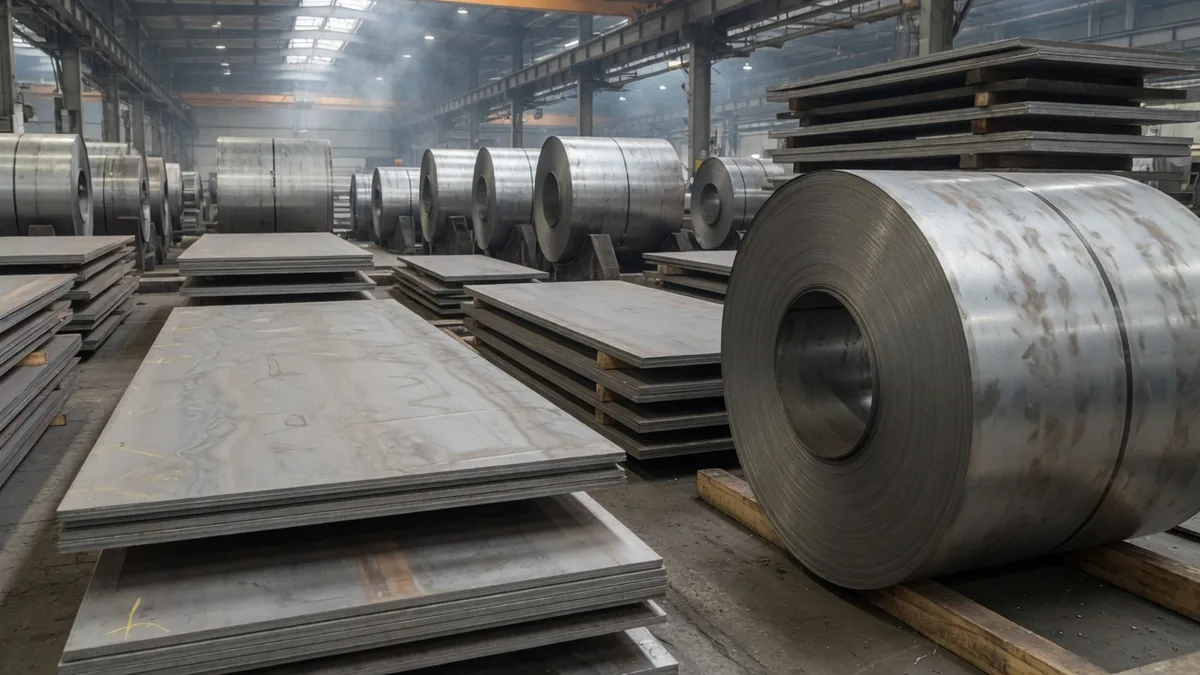
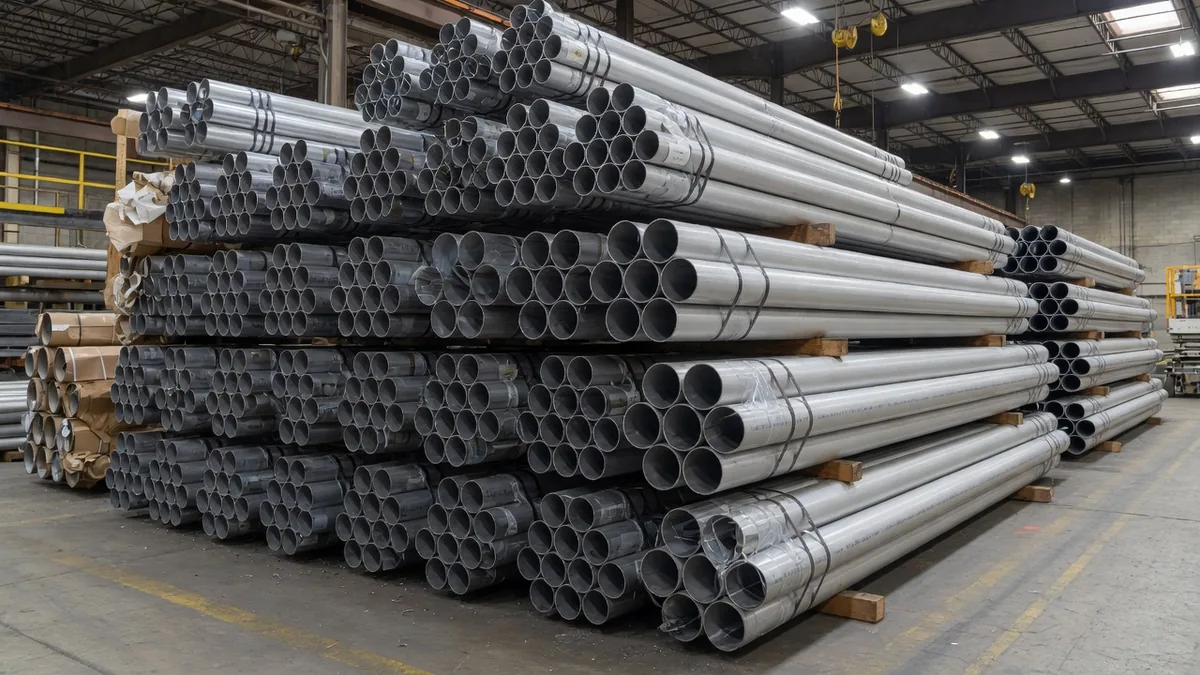
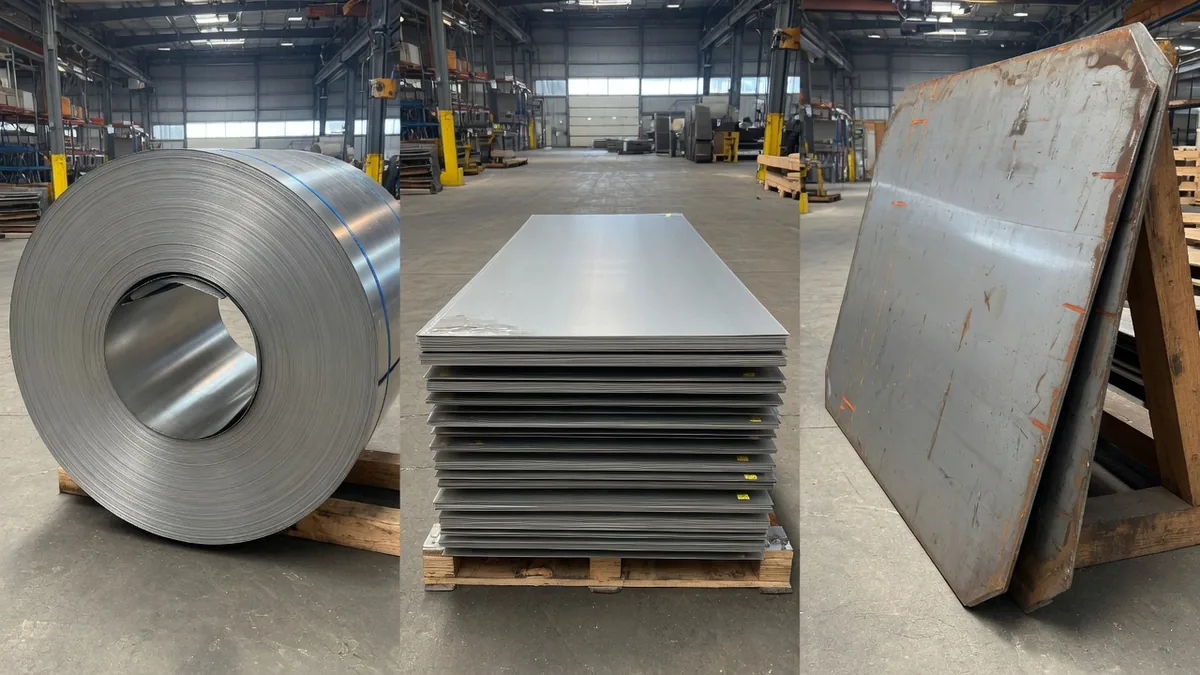
Different steel products fail in different ways during handling and sea freight. Coils can shift or suffer edge damage. Pipes can ovalize, scratch, or lose end protection. Plates and sheets can rust between layers or bend at corners. Long products can break straps if the bundle weight or lifting points are poorly planned.
| Product form | Main packing risk | Buyer checkpoint |
|---|---|---|
| Steel coils | Edge dents, water ingress, coil movement | Confirm eye direction, edge protectors, waterproof wrap, steel straps, and loading support |
| Steel sheets or plates | Rust between layers, corner damage, bending | Confirm waterproof cover, pallet or skid, corner protection, bundle weight, and lifting method |
| Steel pipes and tubes | End damage, surface scratches, mixed sizes | Confirm plastic caps if needed, bundle tags, waterproof wrapping, strap spacing, and pipe-end condition |
| Rebar, bars, and sections | Loose bundles, mixed heat numbers, strap failure | Confirm bundle weight, heat marking, steel straps, and loading photos |
The RFQ should also state whether the buyer needs standard seaworthy packing or a stricter project-specific packing method for long transit, coastal destination, high humidity, or visible surface requirements.
Rust Prevention Starts Before Wrapping
Rust prevention is not only about adding more plastic. Steel should be clean, dry, and protected before it is wrapped. If moisture is trapped inside the packing, even a strong outer package can become a small corrosion chamber during ocean transit.
Buyers commonly ask suppliers to control the following:
- Load and pack under dry conditions, with no standing water on products or inside the container.
- Use suitable rust-preventive oil, VCI paper, VCI film, or moisture barrier materials when the product surface allows it.
- Add desiccants or moisture-control materials for long sea freight routes or humid destinations.
- Avoid direct contact between sensitive steel surfaces and wet wood, damaged pallets, or container walls.
- Confirm whether oiling, passivation, or dry surface is required, especially for galvanized, cold-rolled, painted, or stainless products.
For bare carbon steel, temporary oil or VCI may be useful. For galvanized or prepainted steel, the supplier should confirm the protection method will not stain, react with the surface, or affect downstream processing.
Container Loading Checks That Buyers Should Request
Container loading is a safety and quality issue. Steel is dense, and poor weight distribution can damage both cargo and container. Before loading, buyers should ask for container inspection photos and loading records.
| Loading checkpoint | What to confirm | Why it matters |
|---|---|---|
| Container condition | Clean, dry, no holes, no heavy odor, sound floor | Reduces rust and contamination risk |
| Weight distribution | Even loading, no point loading, within legal payload | Prevents floor damage and transport refusal |
| Dunnage and blocking | Wood blocks, chocks, anti-slip material, airbags, or bracing as suitable | Reduces cargo movement during vessel motion |
| Bundle separation | Heat number, size, grade, and customer order kept identifiable | Supports MTC and packing list traceability |
| Final photos | Door view, seals, bundle labels, lashing, and container number | Helps resolve claims and verifies shipment status |
Do not rely only on the phrase “standard export packing.” Ask what it includes for your specific product and route.
Packing Documents And Traceability
Packing should connect the physical cargo to the document pack. The packing list, bundle tags, heat numbers, coil numbers, and MTC should tell the same story. If the documents cannot be matched to actual bundles, inspection and claims become difficult after arrival.
Before shipment, check:
- Commercial invoice and packing list show product, grade, size, bundle count, net weight, and gross weight.
- Each bundle or coil is marked with order number, size, grade, heat number or coil number, and destination mark if required.
- EN 10204 3.1 MTC lists chemical and mechanical results and can be matched to the shipped material.
- Photos show the same markings that appear on the packing list.
- Any wooden packing or dunnage requirement is confirmed against the destination and shipping line requirements.
RFQ Checklist For Steel Export Packing
Use this checklist when sending a packing requirement to a supplier:
- Product form: coil, sheet, plate, pipe, tube, rebar, bar, beam, angle, or channel.
- Product surface: black, oiled, galvanized, painted, polished, pickled, stainless, or visible decorative surface.
- Bundle plan: maximum bundle weight, pieces per bundle, coil weight, pallet/skid requirement, and lifting method.
- Rust protection: waterproof paper, plastic film, VCI, desiccants, oiling, passivation, or dry surface requirement.
- Mechanical protection: corner guards, edge protectors, pipe caps, separators, wooden blocks, and strap type.
- Marking: heat number, size, grade, customer mark, color code, and label language.
- Container loading: FCL, open-top, flat-rack, breakbulk, loading photos, seal photo, and container number.
- Documents: packing list, commercial invoice, certificate of origin if needed, EN 10204 3.1 MTC, and inspection report if required.
Conclusion
Steel export packing should be treated as part of quality control, not only logistics. A clear packing RFQ helps prevent rust, handling damage, mixed bundles, missing labels, and container loading disputes.
If you are preparing a steel order, send your product form, size range, surface condition, destination, transit route, packing expectation, and MTC requirement to the Tsingshan Steel Export Team. We can review the packing plan and provide a quotation with export-ready documentation before shipment.