








Introduction
Sourcing stainless steel from China can be efficient when the buyer controls the specification. The risk usually appears when an RFQ says only “304 stainless steel sheet” or “316 pipe” without defining the standard, surface finish, tolerance, traceability, inspection, and packing.
For stainless steel buyers, small wording gaps can become expensive. A wrong grade, inconsistent finish, under-tolerance thickness, mixed heat numbers, weak packaging, or unclear MTC can delay fabrication and create disputes after arrival. This guide focuses on how to write a purchase-ready specification before asking for a quotation.
Start With Standard, Grade, And Product Form
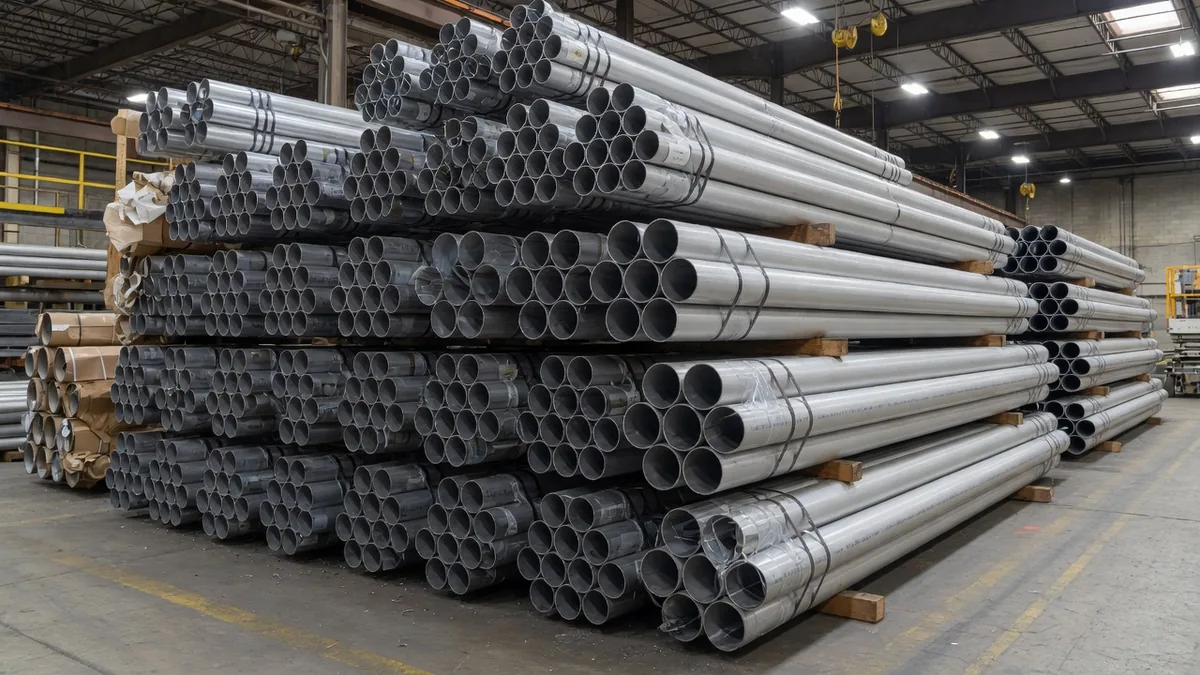
Stainless steel grade names are not enough by themselves. Buyers should state the standard system and product form, then confirm whether the supplier is quoting sheet, plate, coil, strip, pipe, tube, bar, or fittings.
| RFQ item | What to write | Why it matters |
|---|---|---|
| Standard | ASTM, AISI, EN, JIS, GB, or project standard | Prevents unclear “equivalent” material claims |
| Grade | 304, 304L, 316, 316L, 430, 2205, or other grade | Controls chemistry and application fit |
| Product form | Sheet, plate, coil, strip, pipe, tube, bar, or fitting | Affects tolerance, finish, packing, and inspection |
| Condition | Annealed, pickled, cold rolled, hot rolled, welded, seamless | Changes surface, mechanical behavior, and processing route |
| MTC requirement | EN 10204 3.1 MTC per heat or stronger if required | Supports traceability and document review |
If the project does not allow substitutions, say so clearly. Do not rely on phrases such as “same as 304” or “equivalent to 316” unless the end customer has approved them.
Define Finish Before Comparing Prices
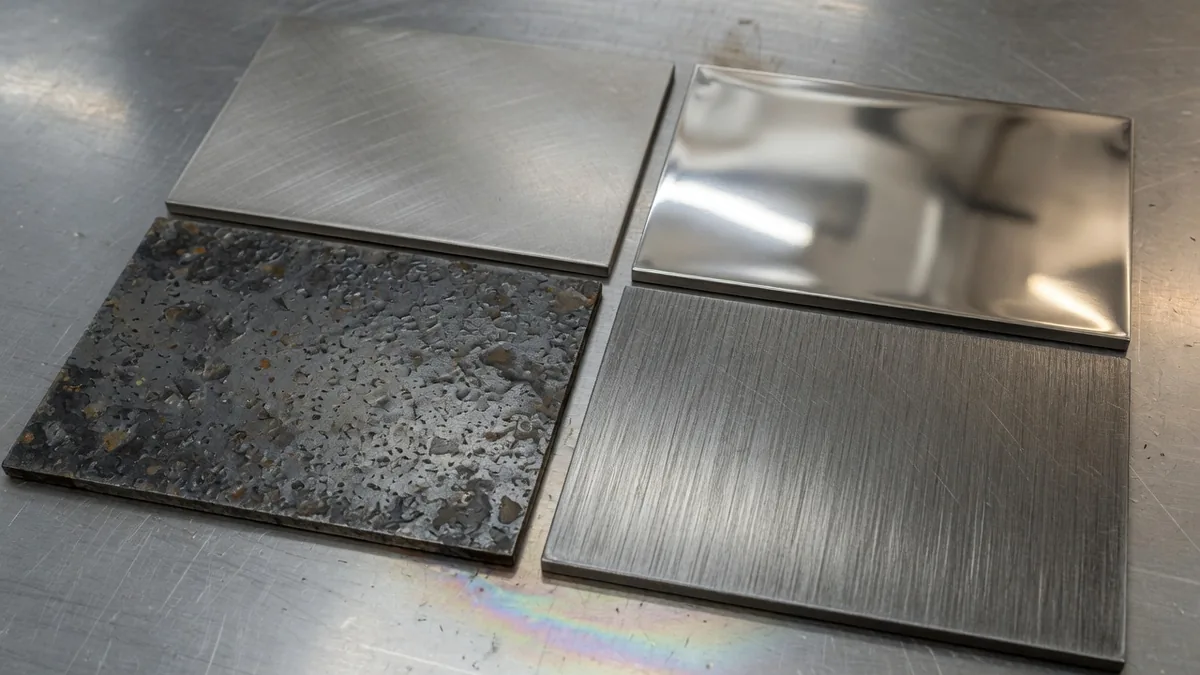
Surface finish is one of the most common sources of stainless steel disputes. A buyer may ask for “No.4” or “brushed” while the supplier quotes a finish that looks acceptable on a sample but differs across production lots.
For sheet, plate, and coil, define:
- Finish name: 2B, BA, No.1, No.4, Hairline, Mirror, or project-specific finish.
- Grain direction and uniformity if the surface will be visible.
- Protective film type, adhesive strength, and whether laser film is required.
- Surface defect limits: scratches, pits, roll marks, stains, color difference, and edge damage.
- Sample approval rule and whether bulk production must match the approved sample.
For pipe and tube, also confirm OD surface, ID cleanliness, weld bead treatment, pickling, polishing, and end protection.
Control Thickness Tolerance And Measurement Method
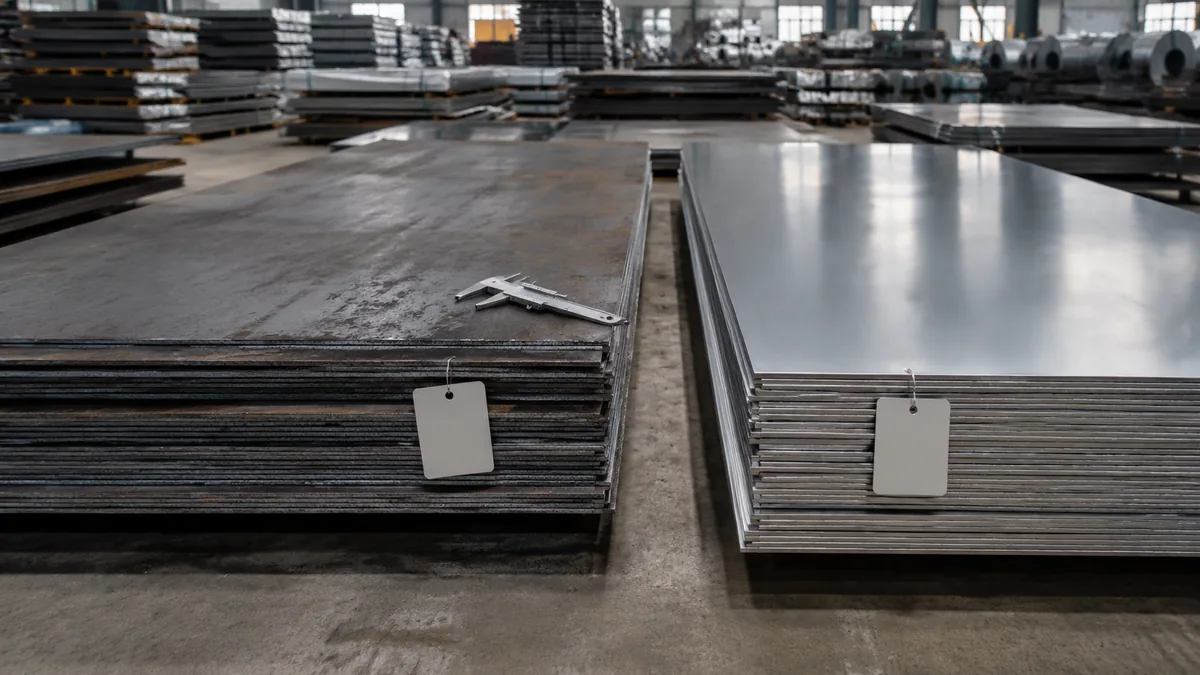
Nominal thickness is not a full specification. Stainless sheet and coil buyers should state whether the order accepts mill tolerance, project tolerance, or a stricter minimum thickness requirement. For fabricated parts, under-tolerance material can affect yield, weight, strength assumptions, and customer acceptance.
Ask the supplier to state:
- Ordered thickness and acceptable tolerance.
- Measurement points, such as edge and center checks.
- Width, length, flatness, and diagonal tolerance when sheets are cut to length.
- Whether the quotation is based on actual weight, theoretical weight, or coil weight.
- Whether thickness records or inspection photos will be provided before shipment.
When tolerance is critical, include it in the purchase order and pre-shipment inspection plan instead of relying on verbal agreement.
Verify MTC, Heat Number, And Inspection Records
For stainless steel, the MTC is more than paperwork. It should connect the delivered material to the heat number, chemistry, mechanical results, and ordered standard. A generic certificate that cannot be matched to bundle tags or coil numbers is not enough for serious procurement.
| MTC checkpoint | What to confirm | Buyer risk if missing |
|---|---|---|
| Standard and grade | Matches PO and quotation | Wrong material or unapproved substitution |
| Heat number | Matches bundle, coil, or pipe marking | Lost traceability |
| Chemistry | Key alloying elements are reported | Grade mismatch, especially for 304 vs 316 family |
| Mechanical properties | Results meet the ordered standard | Fabrication or project acceptance risk |
| Inspection items | PMI, dimensional check, NDT, pressure test, or surface inspection if required | Missing project-specific evidence |
| Certificate type | EN 10204 3.1 or 3.2 if required | Document may not meet client requirements |
For sensitive applications, ask for PMI spot checks, third-party inspection, or sample testing before shipment.
Stainless Steel RFQ Checklist
Use this checklist before asking suppliers for a price:
- Product form: stainless sheet, plate, coil, strip, pipe, tube, bar, or fitting.
- Standard and grade: for example ASTM/AISI 304, 304L, 316L, 430, 2205, or project-specific grade.
- Dimensions: thickness, width, length, OD, wall thickness, coil weight, or cut size.
- Tolerances: thickness, width, length, flatness, OD, wall thickness, and straightness as applicable.
- Finish: 2B, BA, No.1, No.4, Hairline, Mirror, polished, pickled, or passivated.
- Processing: slitting, cut-to-length, polishing, bending, welding, beveling, or drilling.
- Inspection: MTC, heat list, PMI, dimensional report, surface photos, NDT, pressure test, or third-party inspection.
- Packing: protective film, interleaving paper, wooden pallet, seaworthy bundle, pipe caps, waterproof wrap, and marking.
- Commercial details: quantity, destination port, Incoterms, delivery window, claim procedure, and quotation validity.
Conclusion
The safest way to source stainless steel from China is to remove ambiguity before quotation. A complete RFQ should define the standard, grade, form, dimensions, tolerance, finish, inspection, packing, and EN 10204 3.1 MTC requirement.
If you are preparing a stainless steel RFQ, send your grade, standard, dimensions, tolerance, finish, application, packing requirement, and MTC expectation to the Tsingshan Steel Export Team. We can help compare available specifications and provide a clear quote before production.